Search
Amritanath Bhattacharya

Amritanath Bhattacharya

Editor-in-Chief, PIJCACE

10 pieces of writing 2 followers

হোমারের অন্তরে বাল্মীকি ও ব্যাসের অন্বেষণ সম্ভব কি?

এই বইয়ের পাঠক তথা অধিকারী কে? আমার মনে হয়েছে রসিক, প্রেক্ষক এবং সাহিত্য তথা শিল্প সম্বন্ধে কৌতূহলী যে কোনও ব্যক্তিই এই বইটির পাঠক হতে পারেন, এবং তার জন্য যাতে ইলিয়াড ও ওডিসির পাঠ অন্তরায় হয়ে না দাঁড়ায় অর্জুন ভরদ্বাজ সেই খেয়ালও রেখেছেন বইটির লেখনীতে।

Read

নীতিন শ্রীধরের চতুঃশ্লোকি মনুস্মৃতি

সব বিদ্যা সবার জন্য নয়, এই কথাটা আপাতভাবে কিছুটা অগণতান্ত্রিক শোনালেও, মূলত চর্চার মাধ্যমে আধার নির্মাণের প্রতি জোর দেওয়া এর মূল লক্ষ্য। কারণ সেই পূর্ব উল্লিখিত দেশকাল। যে বিদ্যা পৌরুষেয়, তা একটি নির্দিষ্ট দেশকালের জন্য রচিত। তাই সেই নির্দিষ্ট দেশকালের নির্দিষ্ট বিদ্যায় পারদর্শী আধিকারীই সে বিদ্যার মর্মার্থ অনুধাবন করতে সক্ষম।

Read

লাহিড়ীমহাশয়ের ক্রিয়া: পথ, পরম্পরা ও আত্মানুভূতির বিজ্ঞান

এই শিরোনামে তিনটি শব্দ আছে — পথ, পরম্পরা, বিজ্ঞান। এই তিনটি শব্দ আপাতদৃষ্টিতে পৃথক মনে হলেও, ক্রিয়াযোগের ক্ষেত্রে তারা একটিমাত্র সত্যের তিনটি মুখ। পথ বলতে বোঝায় সেই সাধনার দিশা, যা মানুষকে সসীম থেকে অসীমের দিকে নিয়ে যায়। পরম্পরা বলতে বোঝায় সেই গুরুশিষ্যক্রম, যার হাত ধরে এই পথ যুগে যুগে সঞ্চারিত হয়ে এসেছে। আর বিজ্ঞান বলতে বোঝায় — এবং এইখানেই ক্রিয়াযোগের সবচেয়ে বিস্ময়কর বৈশিষ্ট্য নিহিত — এই সাধনা কোনো অন্ধ বিশ্বাস বা কল্পনাপ্রসূত অনুষ্ঠান নয়, বরং একটি সুনির্দিষ্ট, ক্রমবদ্ধ, পরীক্ষণযোগ্য পদ্ধতি, যার ফল প্রতিটি সাধকের নিজস্ব অনুভূতির মধ্য দিয়ে প্রত্যক্ষ হয়।

Read

ঋক অমৃত-র কবিতা

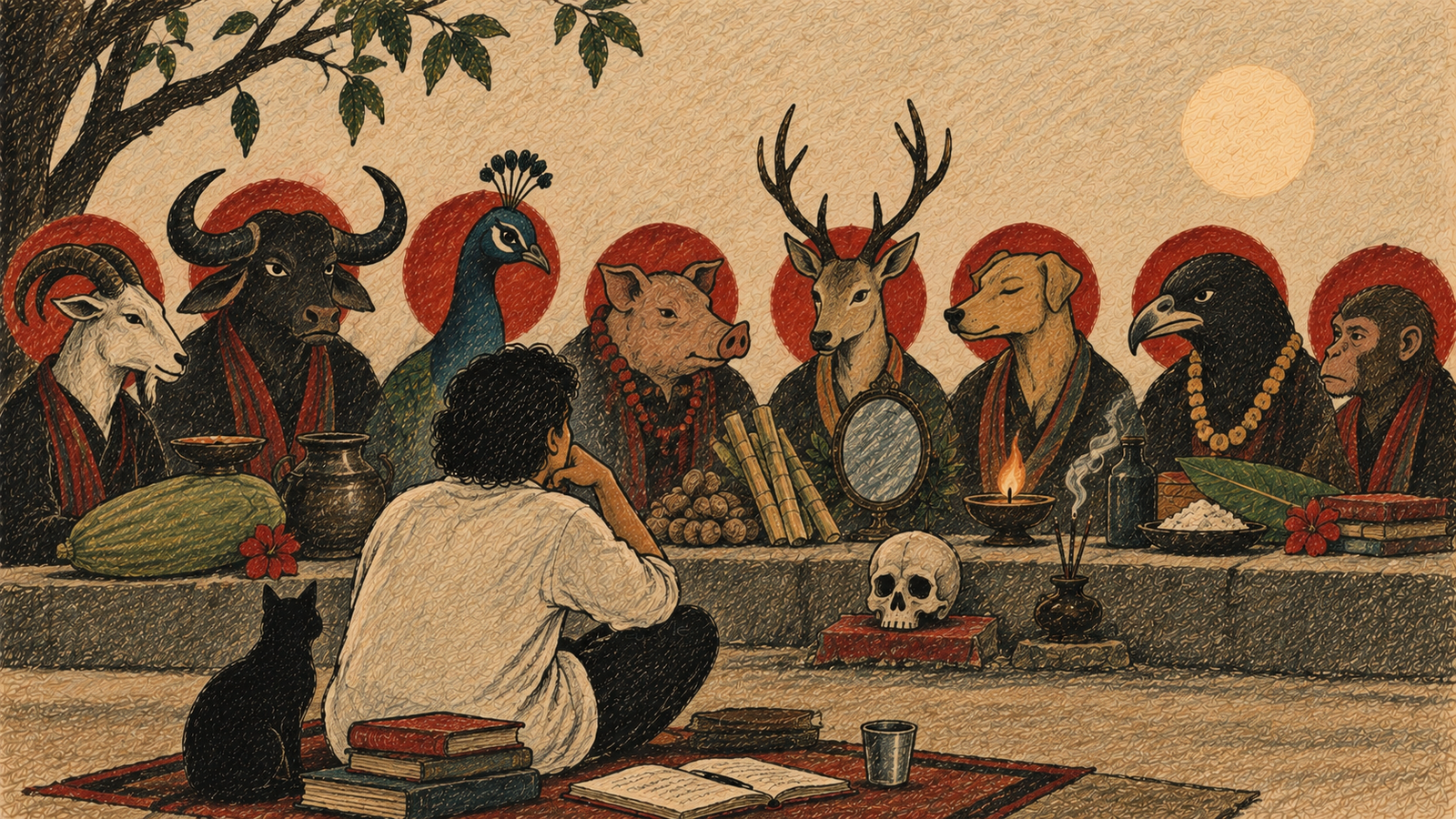
বাহ্য আচার ও প্রতীকের বলির আড়ালে যে আত্মশুদ্ধির সাধনা নিহিত, এই কবিতা সেই প্রশ্নই উত্থাপন করে। কাম, ক্রোধ, মোহ, লোভ ও মাৎসর্যকে আত্মপশুবৃত্তির প্রতীক হিসেবে চিহ্নিত করে কবি শেষ পর্যন্ত বাহ্যিক বলির সীমা অতিক্রম করে আত্মসমর্পণের দিকে নিয়ে যান—সত্যিকারের বলি অন্য কিছুর নয়, নিজেরই।

Read

Not Path, but Mārga

The word “interview,” as journalists use it, is not understood in quite the same way by seekers. For them, interview — or sākṣātkāra — signifies the direct experiential realization of the essential nature of the (supreme) truth, as its witness. The poet says that such experience occurs in meditation. I have also heard of another way: through the instruction of one who has already had that direct encounter. The Indian method of receiving such instruction is the Upaniṣadic way — to situate oneself before the Guru in the disposition of a supplicant. In journalism, both the question and the answer tend toward specificity, driven by the desire for precise information. In contrast, perhaps shaped by Indian disposition, my questions are many. I am not a journalist, but a śiśikṣu — a learner-disciple. I sit in the presence of my Ācārya, Mahāmahopādhyāya Śrī Piyal Bhattacharya — recipient of the Sangeet Natak Akademi Award and Tagore National Scholar — in the hope that a witnessing of Nāṭya may unfold, at Chidākāśa.


Read

Dīkṣā

Dīkṣā, however, is not merely the transmission of knowledge. Its true purpose lies in the simultaneous attainment of pure knowledge and the dissolution of karmic tendencies. Through the grace of the Sadguru, the veil of ignorance is lifted, allowing the self to recognise its own Śiva-nature. Thus dīkṣā becomes the gateway through which the ātman’s innate divine knowledge unfolds.

Read

Never Returned to Pen

A collection of self-translations from three Bengali volumes — rendered into English during the years of pandemic distance. Four movements across forty poems: Displacement, Awakening, Creation, Reckoning.

View book

Nithin Sridhar’s Chatuh Shloki Manusmrti: Tradition, Authority, and the Fourfold Framework

This review essay examines Chatuh Shloki Manusmriti: An English Commentary by Nithin Sridhar, situating the work within the broader intellectual framework of the Indian śāstric tradition. The study analyses the author’s decision to interpret the philosophical architecture of the Manusaṃhitā through the first four verses of the opening chapter, read in light of the classical hermeneutic structure of anubandha catuṣṭaya. By foregrounding questions of adhikārī (qualified reader), prayojana (purpose), and viṣaya (subject matter), the essay argues that Sridhar’s work attempts to reintroduce contemporary readers—particularly those outside traditional modes of learning—to the conceptual world of Dharmaśāstra. The review further examines the methodological implications of employing the bhāṣya tradition as a modern interpretive tool and reflects on the distinction between śruti and smṛti, authorship, and authority within the Indian knowledge system. While acknowledging the book’s pedagogical strengths and its contribution to renewed discussions on the Manusmṛti, the essay also highlights certain translation and interpretive issues, suggesting that the text is best understood within the framework of śāstra pramāṇa rather than as an independent epistemic authority.

Read

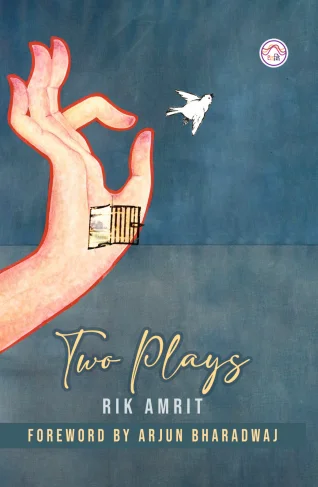
Two Plays by Rik Amrit with a Foreword by Arjun Bharadwaj

In "TWO PLAYS," Rik Amrit demonstrates his masterful ability to transform profound narratives into captivating theatrical experiences. Drawing from his deep knowledge of classical literature and practical theatre experience, Rik reimagines timeless stories with fresh perspective and dramatic power.

View book

Truth, Beauty, and the Aesthetic Quest: Arjun Bharadwaj’s Exploration of Homer through Indian Thought

This review examines Arjun Bharadwaj's Indian Perspective of Truth and Beauty in Homer's Epics, a comparative literary study that applies Indian aesthetic philosophy to Homer's Iliad and Odyssey. Bharadwaj employs millennia-old Indian aesthetic theories from scholars like Ānandavardhana and Abhinavagupta to explore universal principles of truth and beauty in Western epic literature. Rather than examining Greek influence on Indian civilization—the dominant scholarly discourse—this work reverses the trajectory by using Indian frameworks such as puruṣārthas (life goals) and rasa (aesthetic emotions) to analyze Greek epics. The author's methodology includes comparative analysis of the Rāmāyaṇa, Mahābhārata, Iliad, and Odyssey, examining their spatial-temporal constructs, character ethics, and divine-human relationships. Bharadwaj also analyzes Homer's use of arthālaṅkāras (figures of sense) through Indian poetic theory. The review suggests that Bharadwaj approaches Homer not merely as a scholar but as a poet seeking to discover the eternal aesthetic essence that transcends civilizational boundaries, creating a dialogue between Vālmīki, Vyāsa, and Homer across millennia.

Read

Work

Contributor
Editor-in-Chief, PIJCACE

IDs

Contact

dm.rikamrit@gmail.com

Publish with Poorvam

Double-blind peer review, open access, and a platform built for Indic scholarship.