Dr Rakesh Das
Article · Jun 05, 2026 · PIJCACE Vol. 2, No. 1
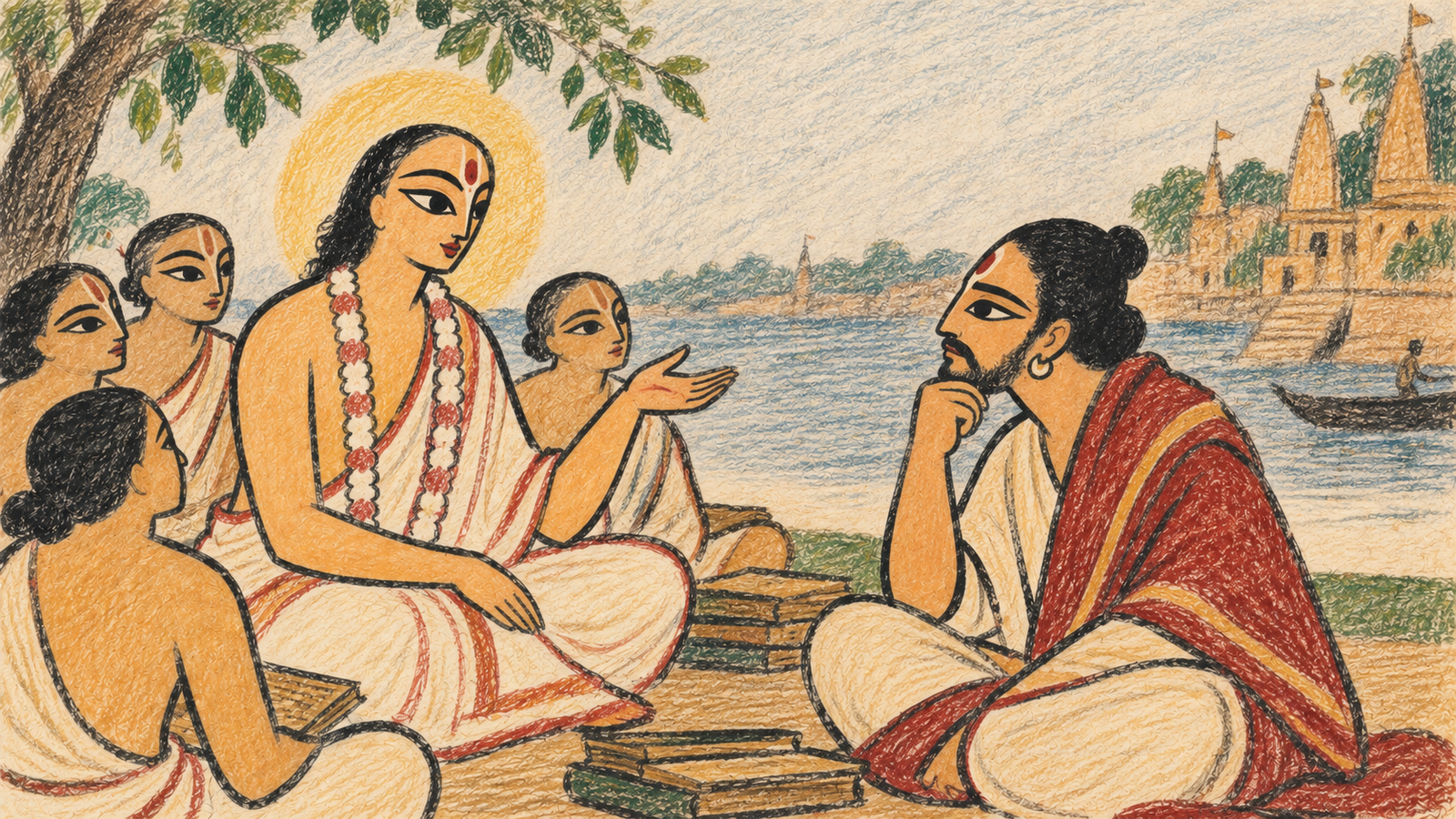
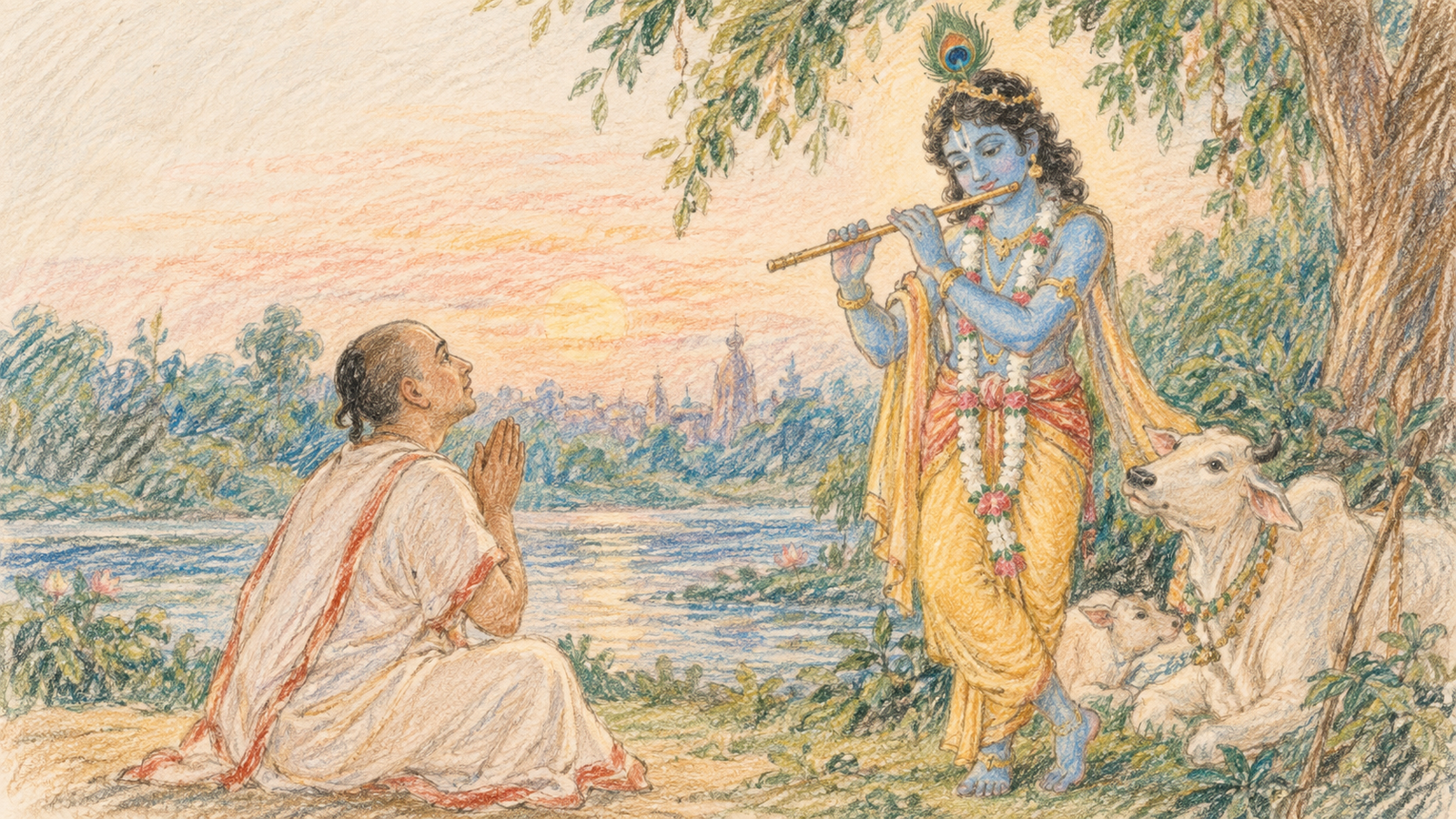
Śrī Caitanya Deva, revered in Gauḍīya Vaiṣṇava tradition as the combined manifestation of Śrī Kṛṣṇa and Śrī Rādhā, is widely recognized for his philosophical contributions and devotional movement. This article highlights a less-explored dimension of his genius–his profound mastery of Sāhitya Śāstra (literary theory and poetics)–through a critical examination of his scholarly encounter with the Kashmirian digvijayī scholar Keśava Bhaṭṭa, as detailed in Śrī Caitanya Caritāmṛta and Caitanya Bhāgavata. During their meeting on the banks of the Gaṅgā, Keśava Bhaṭṭa, renowned for his extemporaneous composition (ghaṭikāśataka), composed one hundred verses glorifying the Gaṅgā. Caitanya selected one verse in the Śikharinī metre and subjected it to a masterful critique based on the principles of Alaṅkāraśāstra. He identified five poetic defects (pañcadoṣa)–two instances of avimṛṣṭavidheyāṃśa, viruddhamatikṛt, bhagnakrama, and punarātta–and five literary ornaments (pañcālaṅkāra): anuprāsa (alliteration), punaruktavadābhāsa, upamā (simile), virodhābhāsa (semblance of contradiction), and anumāna (inference). The article provides detailed definitions and textual analysis of each doṣa and alaṅkāra, drawing from authoritative texts like Sāhityadarpaṇa and Alaṅkārakaustubha. It demonstrates how Caitanya’s analysis reveals both the aesthetic strengths and compositional flaws of the verse, underscoring the primacy of doṣa-guṇa vicāra (critical evaluation of defects and merits) in poetic composition. This episode not only affirms Caitanya’s extraordinary erudition in Sanskrit poetics alongside grammar and philosophy but also exemplifies his humility and spiritual magnetism, which ultimately led to Keśava Bhaṭṭa’s surrender. The study thus illuminates Caitanya’s multifaceted brilliance as a consummate connoisseur of Sāhitya Śāstra.