
"For whom emptiness is possible, all things are possible; for whom emptiness is impossible, nothing is possible."
— Nāgārjuna, Mūlamadhyamakakārikā (XXIV:14)
A Philosopher Who Enlarged the Boundaries of the Discipline
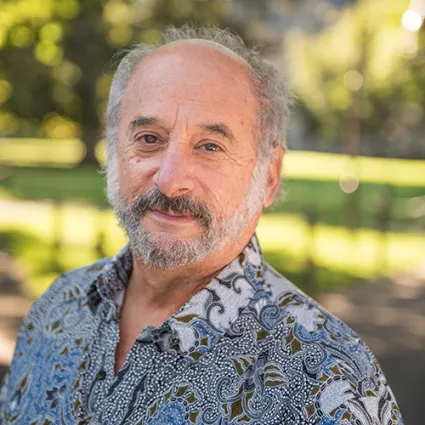
Jay Lazar Garfield — Doris Silbert Professor in the Humanities at Smith College, Visiting Professor of Buddhist Philosophy at Harvard Divinity School, Professor at the University of Melbourne, and Adjunct Professor at the Central University of Tibetan Studies — has spent four decades demonstrating that philosophy is a global conversation, not a Eurocentric monologue.
"We suggest that any department that regularly offers courses only on Western philosophy should rename itself 'Department of European and American Philosophy.'"— Jay L. Garfield & Bryan W. Van Norden (The New York Times)
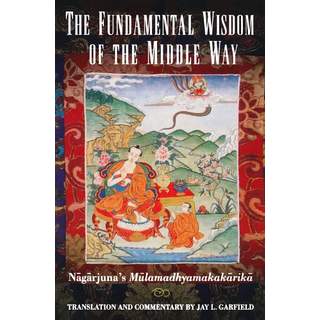
His landmark translation and commentary on Nāgārjuna's Mūlamadhyamakakārikā (Oxford University Press, 1995), his collaborative treatises on Buddhist ethics with the Cowherds collective, his rigorous examinations of the no-self thesis (Losing Ourselves, Princeton UP, 2022), and his cross-cultural cognitive science foundations have established him among the fifty most influential living philosophers worldwide.
This special commemorative volume represents an active philosophical exchange: Professor Garfield has agreed to author a dedicated response to each thematic section, turning this volume into an enduring dialogue.
Commemorative Volume Particulars
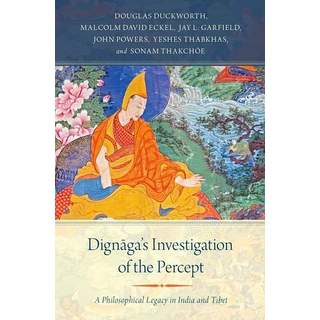
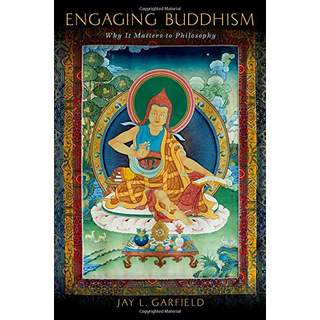
Major Works by Professor Jay L. Garfield
Four decades of transformative contributions to Buddhist philosophy, comparative hermeneutics, logic, and cognitive science.


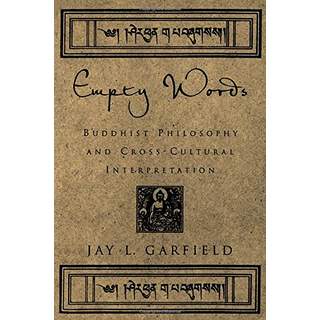
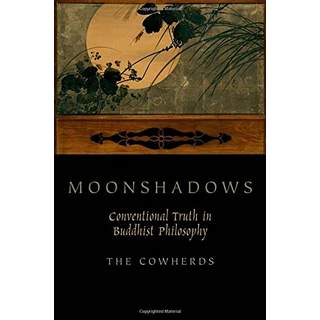
Professor Garfield in Academe & Dialogue
Keynotes, symposium assemblies, and academic residences worldwide.


Six Domains of Philosophical Inquiry
The commemorative volume is organized around the six major tracks of Professor Garfield's scholarship. Contributions may engage a single theme or trace intersections across domains.
Buddhist Philosophy — Madhyamaka & Emptiness
Essays engaging Nāgārjuna hermeneutics, Madhyamaka metaphysics, the doctrine of emptiness (śūnyatā), two truths epistemology, and Indo-Tibetan philosophical developments.
Philosophy of Mind & Cognitive Science
The no-self thesis (anātman), consciousness, cognitive illusion, Buddhist psychology in dialogue with contemporary Western cognitive science, and 4E cognition.
Ethics & Moral Phenomenology
Buddhist moral theory, compassion-based ethics, Śāntideva's moral psychology, conventional truth in ethical life, and cross-cultural moral phenomenology.
Logic & Epistemology (Pramāṇa)
Dignāga's epistemology (ālambana-parīkṣā), Dharmakīrti, dialetheism, the Catuṣkoṭi (four-cornered negation), paradox in East Asian thought, and formal reasoning.
Cross-Cultural & Comparative Philosophy
Methodologies of cross-cultural interpretation, Indian philosophy during colonialism (K.C. Bhattacharyya), translation hermeneutics, and post-comparative frameworks.
Diversifying Philosophy & Decolonizing the Canon
Global curriculum debates, the 2016 NYT manifesto and its international impact, pedagogical transformation, and institutional canon reform.
Submission Guidelines & Protocol
1. Contribution Types
- Scholarly Essay: 6,000–8,000 words (including footnotes). Undergoes full double-blind peer review.
- Critical Response: 3,000–5,000 words engaging directly with a specific Garfield thesis or book.
- Personal / Collegial Tribute: 500–800 words, reflective, from scholars with direct academic association.
- Dialogue / Interview: By editorial invitation in conversation with Prof. Garfield.
2. Submission Requirements
- Abstract First: 300–400 words submitted via this portal for initial editorial review.
- Citation Style: MLA 9th Edition or Chicago Notes & Bibliography style.
- Diacritics: Standard scholarly IAST for Sanskrit/Prakrit and Wylie for Tibetan.
- Licensing: All accepted papers are published open-access under Creative Commons CC BY-NC-ND 4.0.
3. Key Dates & Deadlines
- Abstract Portal Opens: Active Now
- Abstract Submission Deadline: January 31, 2027
- Abstract Decisions Communicated: February 2027
- Full Manuscripts Due: July 31, 2027
- Peer Review Reports Dispatched: September 2027
- Revised Manuscripts Due: November 2027
- Commemorative Volume Release: January 2028
4. Editorial Review Process
All scholarly essays and critical responses are subjected to rigorous double-blind peer review by two specialist reviewers. Authors will receive written reviewer reports. Accepted papers receive individual Crossref DOIs.
Abstract Submission Application Form
Submit your proposed abstract for the Garfield Commemorative Volume. The volume editorial desk will acknowledge receipt within 5 working days.