Call for Participation — Commemorative Volume: Jay L. Garfield | Poorvam Journal
Poorvam International Journal  ·  Dhvani Publication

A Special Issue in Honour of

Emptiness, Mind,
and the Global Turn
in Philosophy

Professor Jay L. Garfield

Poorvam International Journal of Creative Arts and Cultural Expressions invites scholars from across the philosophical world to contribute to a commemorative volume honouring one of the most influential philosophers of our time — the scholar who inaugurated our own Authors in Conversation series.

Abstract deadline  January 2027
Full paper deadline  July 2027
Publication  Special Issue, January 2028
Publisher  Dhvani Publication
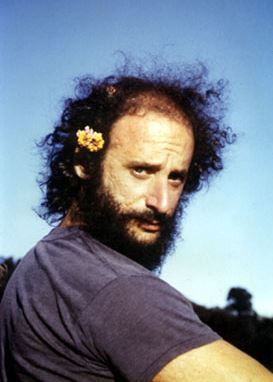
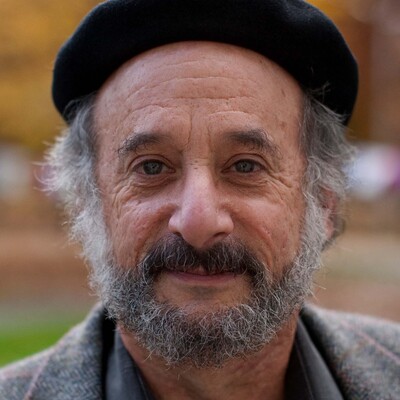
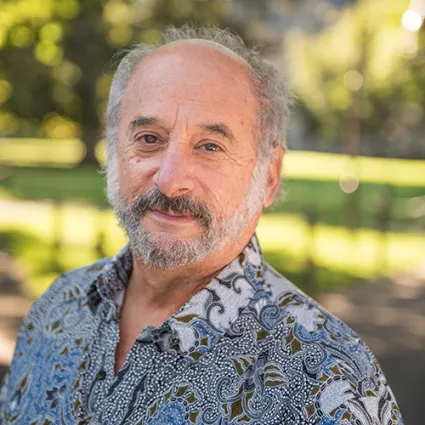
Portrait of Professor Jay L. Garfield
Jay L. Garfield · Smith College
Scroll to learn more

"All things arise in dependence upon all other things." — Nāgārjuna, Mūlamadhyamakakārikā

Abstract deadline  January 2027

A philosopher who enlarged the boundaries of the discipline

Jay Lazar Garfield — Doris Silbert Professor in the Humanities at Smith College, Visiting Professor of Buddhist Philosophy at Harvard Divinity School, Professor at the University of Melbourne, and Adjunct Professor at the Central University of Tibetan Studies — has spent four decades arguing that philosophy is a global conversation, not a Eurocentric monologue.

"We suggest that any department that regularly offers courses only on Western philosophy should rename itself 'Department of European and American Philosophy.'"

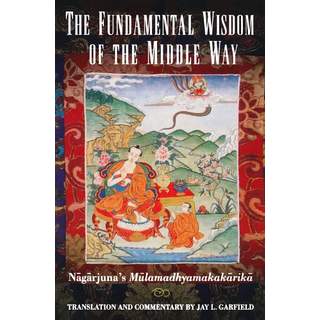
His landmark translation and commentary on Nāgārjuna's Mūlamadhyamakakārikā, his collaborations on Buddhist ethics, his work on the philosophy of mind and the no-self thesis, and his widely debated 2016 New York Times editorial — co-authored with Bryan W. Van Norden — have made him one of the fifty most influential philosophers of the past decade, according to AcademicInfluence.com.

Professor Garfield inaugurated Poorvam's Authors in Conversation series. This special commemorative issue is both a scholarly tribute and a living dialogue: Professor Garfield has agreed to respond to each thematic section, making this volume a genuine philosophical exchange, not merely a festschrift.

✦ ✦ ✦

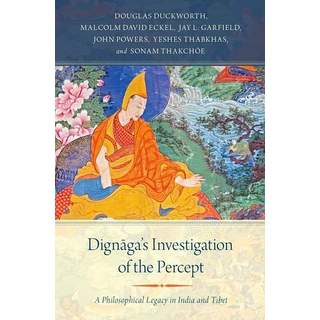
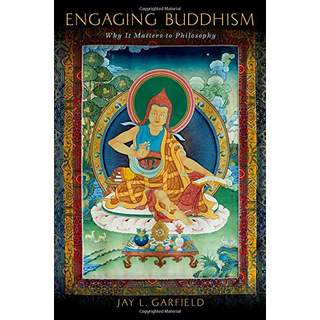
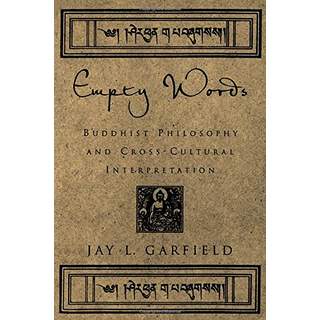
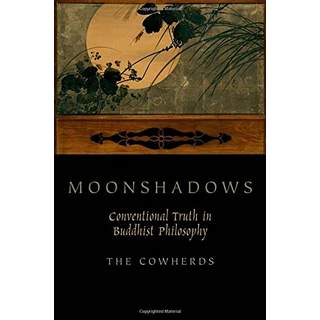
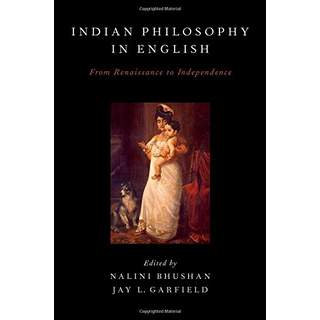
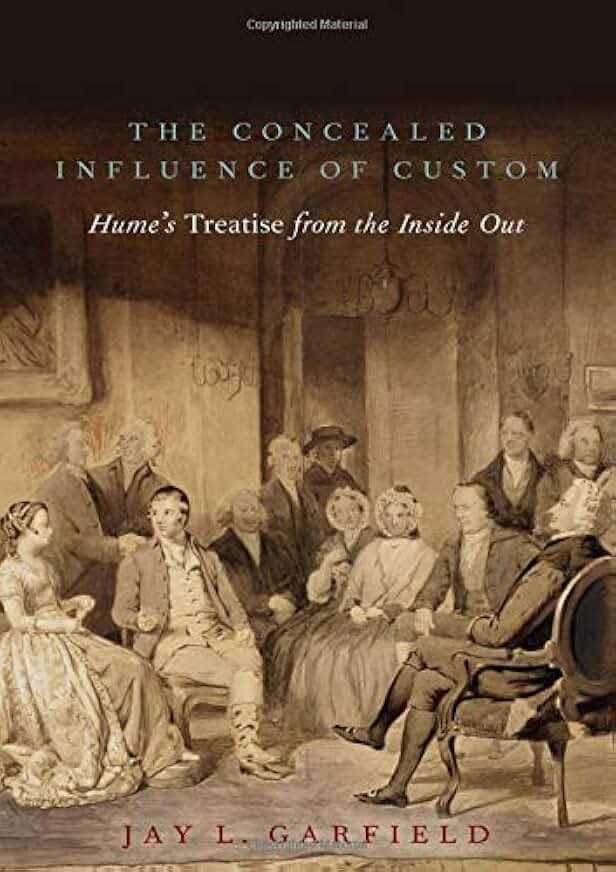
Works by Professor Garfield

Six domains of inquiry

The volume is organised around the six major fields of Professor Garfield's scholarship. Contributions may engage any one theme or trace connections across them. Each section will conclude with a response by Professor Garfield.

01
Buddhist Philosophy — Madhyamaka & Emptiness
Essays engaging the Nāgārjuna translation, Madhyamaka metaphysics, the doctrine of emptiness (śūnyatā), and Indo-Tibetan philosophy.
02
Philosophy of Mind & Cognitive Science
The no-self thesis, consciousness, selfhood, Buddhist psychology meeting Western philosophy of mind, and the foundations of cognitive science.
03
Ethics
Buddhist ethics, compassion-based moral theory, conventional truth and moral life, and the Cowherds collaborations on ethics and emptiness.
04
Logic & Epistemology
Dignāga's epistemology, paradox and contradiction in East Asian thought, the philosophy of logic, and formal reasoning traditions.
05
Cross-Cultural & Comparative Philosophy
Methodology of cross-cultural interpretation, Indian philosophy in the colonial period, translation practice, and philosophical hermeneutics.
06
Diversifying Philosophy
The global curriculum debate, the 2016 NYT intervention and its aftermath, institutional change, and the politics of canon formation.

What we are looking for

Contribution types

  • Scholarly essay — 6,000–8,000 words, peer-reviewed, footnotes included in word count
  • Critical response — 3,000–5,000 words, engaging directly with a specific work by Garfield
  • Personal tribute — 500–800 words, reflective, from colleagues with direct scholarly relationship
  • Interview / dialogue — by invitation, in conversation with Professor Garfield

Submission requirements

  • Abstract of 300–400 words submitted first for editorial consideration
  • Full paper submitted after abstract approval, in double-blind format
  • MLA 9th edition referencing style throughout
  • Diacritical marks and transliterations must follow standard scholarly conventions (Wylie for Tibetan, IAST for Sanskrit)
  • Accepted languages: English; papers in other languages by prior arrangement
  • Authors may submit to only one thematic section

Key dates

  • Abstract submission opens — 1 July 2026
  • Abstract deadline — January 2027
  • Notification of abstract decisions — February 2027
  • Full paper deadline — July 2027
  • Peer review decisions — September 2027
  • Revised manuscripts due — November 2027
  • Publication — Special Issue, January 2028

Review process

  • All scholarly essays and critical responses undergo double-blind peer review by two specialist reviewers
  • Tribute pieces are editorially reviewed by the Editor-in-Chief
  • Authors will receive detailed reviewer reports regardless of outcome
  • The editorial board reserves the right to suggest reallocation between thematic sections
  • Questions may be directed to the editorial office before submission

Abstract Submission Portal

Submissions are sent to the volume editorial office. The editorial office will acknowledge within five working days. All fields marked with an asterisk are required.

1Authors
2Contribution
3Abstract
4Declarations
Primary / Corresponding Author
Primary & Corresponding Author
Format: 0000-0000-0000-0000 — register free at orcid.org

You may add up to four co-authors (five authors total). Only the primary author submits. Co-authorship requires all listed authors to have approved the abstract.

Proposed contribution
Abstract text
Minimum 300 words · Maximum 400 words 0 words
Prior relationship to this work

All declarations are mandatory. Please read each statement carefully before checking. By submitting this form you confirm all declarations on behalf of all listed authors.

By clicking Submit, all declarations above are confirmed. A copy of your submission will be sent to the email address provided by the primary author.

Abstract received

Thank you for your submission to the commemorative volume honouring Professor Jay L. Garfield. The editorial office will acknowledge receipt within five working days. Queries may be directed to garfield@poorvam.com.

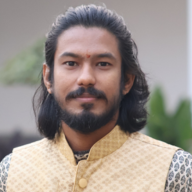
Amritanath Bhattacharya
Editor-in-Chief, Poorvam International Journal of Creative Arts and Cultural Expressions

"Professor Garfield's decision to inaugurate our Authors in Conversation series was an act of intellectual generosity that shaped the character of this journal. This commemorative volume is our way of honouring a scholar whose life's work insists that the great philosophical traditions of Asia are not supplementary material — they are the very centre of inquiry. We invite you to join this conversation."

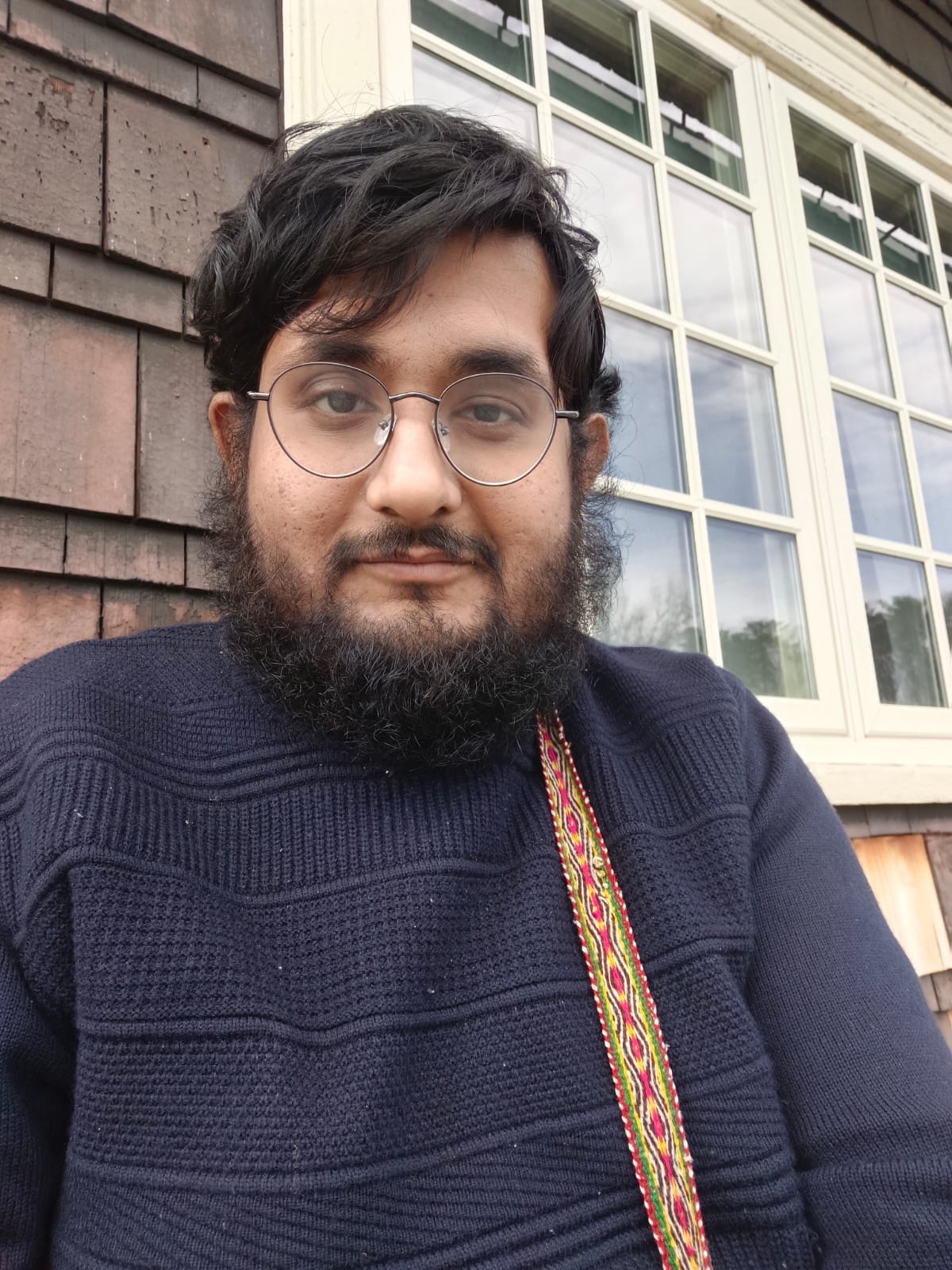
Nilambar Chakrabarti
Nilambar Chakraborty
Editor of the Volume  ·  PhD Research Scholar, Jadavpur University  ·  Sylff Fellowship Recipient  ·  Former Research Fellow, Smith College (South Asian Studies)

"Garfield's work has been a quiet companion in my thinking, often helping me rethink how self and world interweave beyond familiar boundaries. I remain genuinely grateful for the clarity and generosity his philosophy brings."

Stay in the Loop

Subscribe to Our Newsletter

Latest research, calls for papers, and cultural insights — straight to your inbox.

Poorvam Research Assistant

Poorvam Research Companion

🤖 Poorvam Assistant 2025

Welcome to AI-Powered Research Support!

I specialize in:
🔍 Submission Tracking & Status Checks
📝 Manuscript Preparation & Formatting
⚖️ Ethical Guidelines & AI Disclosure Policies
📅 Deadline Management & Review Timelines
💸 APC Fees & Payment Procedures
👥 Editorial Board & Peer Review Process
🌐 Journal Scope & Category Guidance
📚 Publication Process & DOI Assignment
📄 Copyright & Open Access Policies

How can I assist your research journey today?